
Artist Statement
My fifth grade teacher had us keep a writer’s notebook and gave us different prompts every day. Once, she asked us to go home, sit in an out-of-the-way place, listen to all the things people said in our home, and write them down. Just write down exactly what was said. And try to do it for as long as we could go unnoticed. Once we were noticed, the exercise was over. She was interested in us discovering what people said when they didn’t know they were being observed.
In college, I majored in Anthropology and my professor tasked me with doing basically the same thing–go into a community, observe, and record. Another excuse to feed my busybodyiness! I went out, observed, recorded, and reported my findings. But there was an additional step. We also had to participate. Anthropologists believe you have to participate in a community in order to write about that community. You would start with initial impressions, note key events and incidents, and then you would observe and record your personal reactions. And there was a warning. You shouldn’t go too far with your feelings. You were always to prioritize the perspectives, actions, reactions, speech, thoughts, and beliefs of the “insiders.”
You were there to learn.
I am most interested in plays investigating the performance of race, gender, and sexuality.
As a Black and multiracial lesbian, I know I have a particular point of view shaping my reactions to the worlds I observe. My challenge is to create characters that are different from me, but who are also grappling with these same themes from their individual lens. How do our individual lenses bump up against each other? How do our identities themselves create conflict? How does our performance of identity create (or destroy, or complicate) relationships with ourselves and others? When I begin a play, that is what I set out to learn.
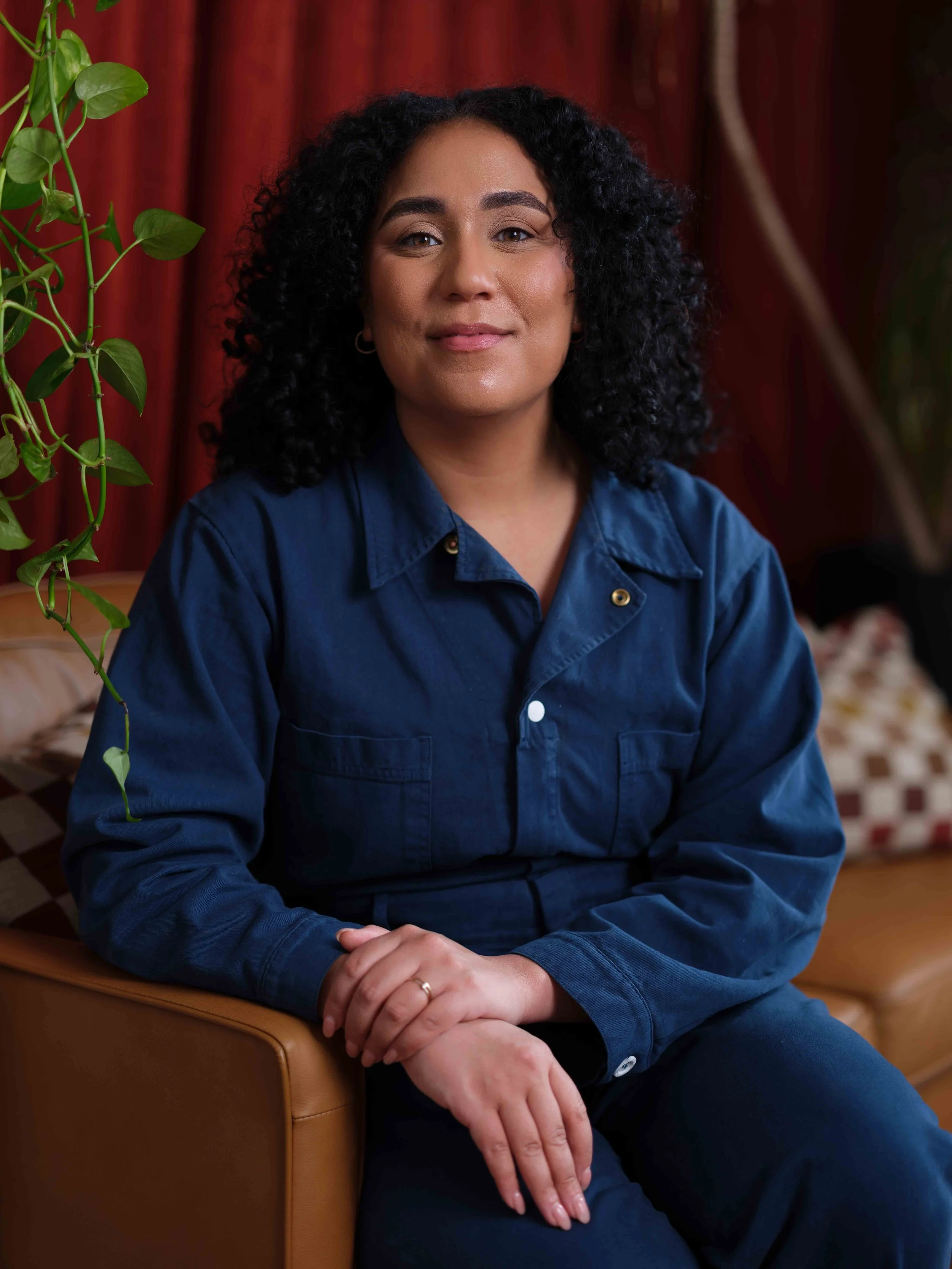
When I write a play, I begin with this same process. The characters, their world, their history, their language (syntax, tone, semantic maps), their desires–they are the community I set out to research. Who are they? What are their kinship structures? What are their origin myths? Why do they speak the way they do? When does their speech change? I let myself observe, record, and then react. Out of that, comes a play.